Fire Safety Services
Fire Safety
Five Key Stages To The Fire Risk Assessment
- Identification of the fire hazards, e.g. sources of ignition, substances that can burn and sources of oxygen
- Identification of people at risk, including people around the premises
- Evaluation of risk, removal of risk, reduction of the risk or protection from risk. If the risks can be avoided altogether, the appropriate steps should be taken. In the situation when elimination of risks is not possible, control measures should be put in place to minimize and manage the danger and protect people from fire.
- Recording the findings, preparation of an emergency plan, informing, instructing and training of staff, and occasionally others.
- A regular review and update of the fire risk assessment.
Fire Hazards or Fire Triangle
Ignition Sources
A process or event which can cause a fire or explosion. Collins English Dictionary
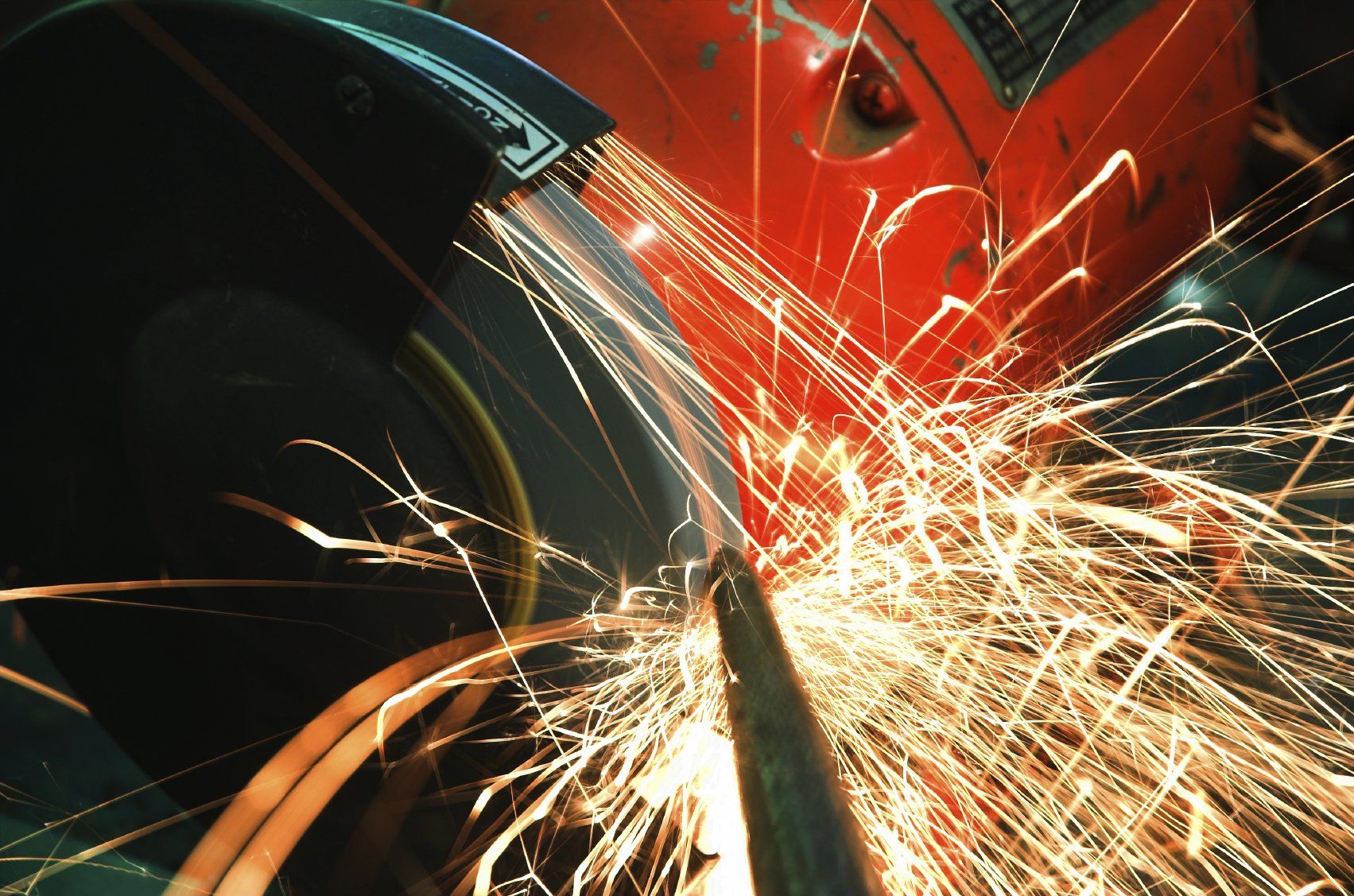
•Hot works such as welding, grinding, flame cutting, cooking or use of incinerators
•Friction from drive belts or metal tools striking each other - anything that can produce sparks
•Faulty electrical appliances
•Hot surfaces (any equipment that heats up, including heaters, boilers, cooking equipment, lighting equipment)
•Static electricity
•Matches, cigarettes, lighters and other smoking materials
•Open Flames
•Arson
•Machinery
•Obstruction of equipment ventilation
Fuel Sources
•Flammable liquid based products
•Flammable liquids
•Solvents and paints
•Gases
•Flammable chemicals
•Wood
•Metal
•Paper and card
•Plastics, rubber and foam
•Furniture, including fixtures and fittings
•Textiles
•Loose packaging material
•Waste materials
•Cladding
•Synthetic ceiling or wall linings